
Illustration Brief and Style Direction
We review the manuscript, audience, references and intended mood. Together we define a visual direction and an illustration list.
Illustration can make a character memorable, explain a complex idea or give a children's story a world readers want to explore.
We work with authors across Australia to plan artwork around the manuscript, audience and intended book format. Style, visual continuity and space for text are considered together.
You review the creative direction, sketches and finished artwork at agreed stages. The number of illustrations, revision rounds and usage rights are set out before production begins.
Tell us about your project and the support you need.
Choose the support that fits your project. We discuss your audience, preferred formats and budget, then put the agreed work into a clear plan.
We review the manuscript, audience, references and intended mood. Together we define a visual direction and an illustration list.
For narrative books, we establish the appearance and expressions of recurring characters. Reference sheets help keep them consistent across scenes.
We plan scenes around story beats, page turns and text placement. Artwork can be scoped as spots, full pages or spreads depending on the book.
Diagrams and explanatory illustrations can help communicate concepts. You provide and approve the subject information so the visuals reflect it accurately.
Composition sketches are reviewed before detailed rendering. An approved palette helps the finished illustrations feel connected throughout the book.
Final artwork is supplied in the agreed sizes, resolution and file formats. Rights, credit and any source-file delivery are documented in the project scope.
A good brief makes the work easier to review. These are the decisions we help you make before production starts.
We agree the scope, deliverables and review stages with you before work begins.
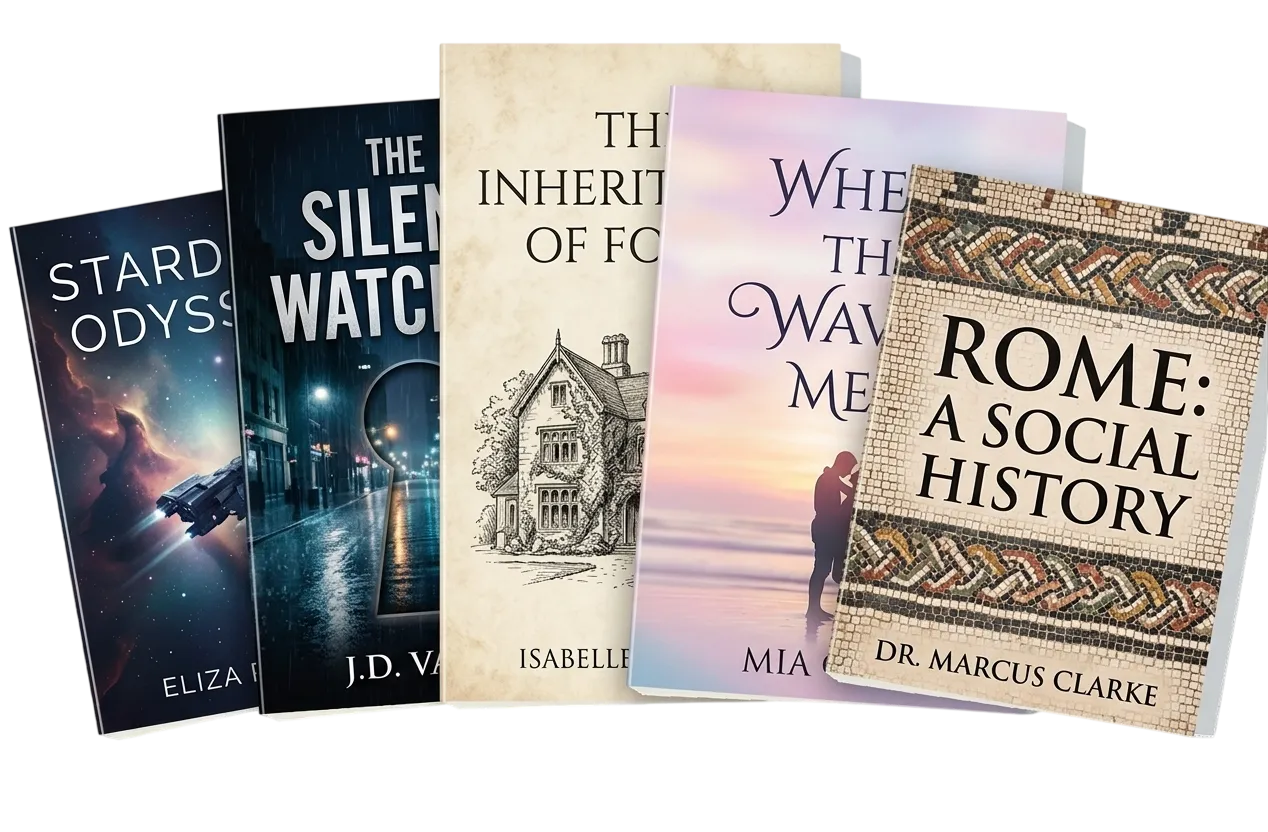
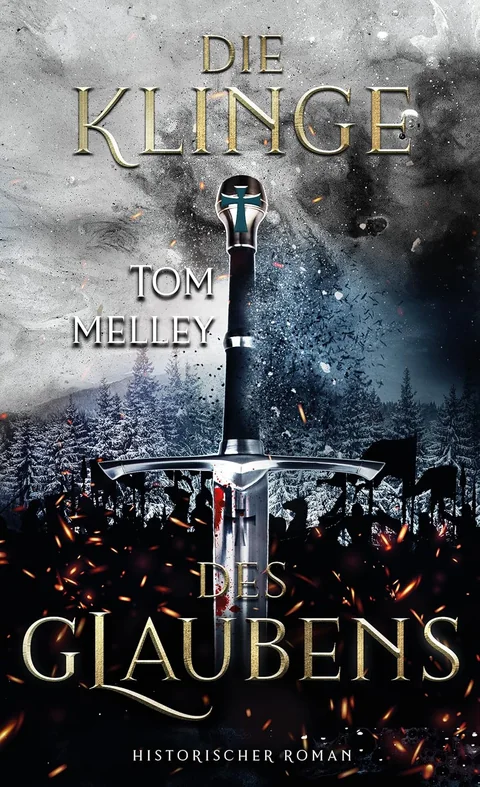
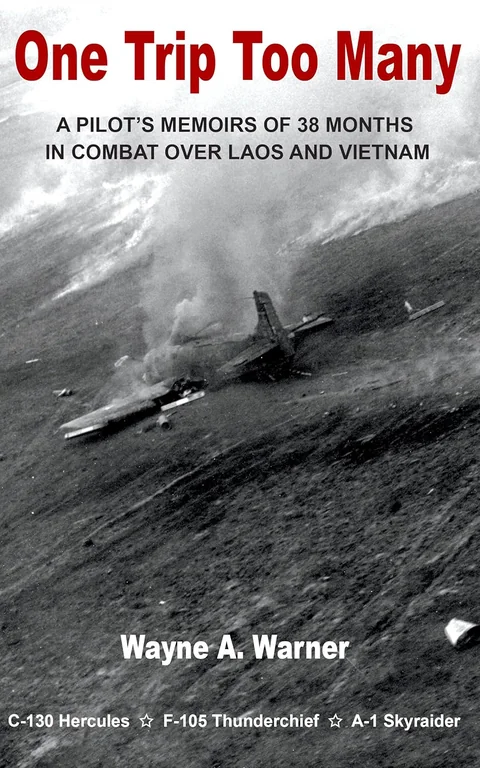
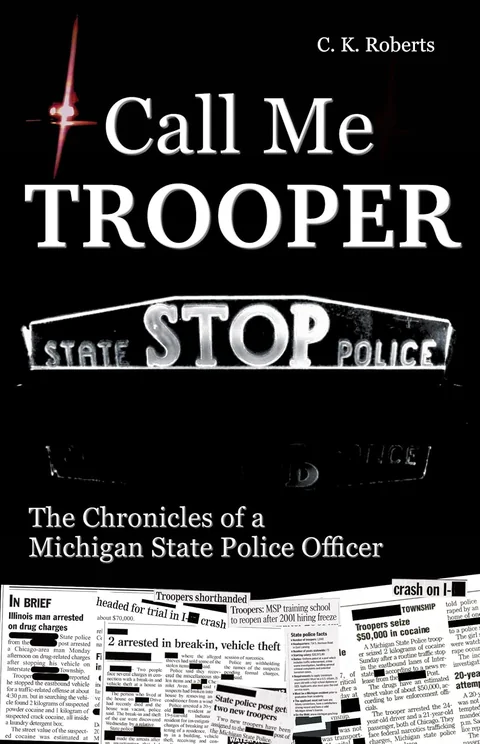
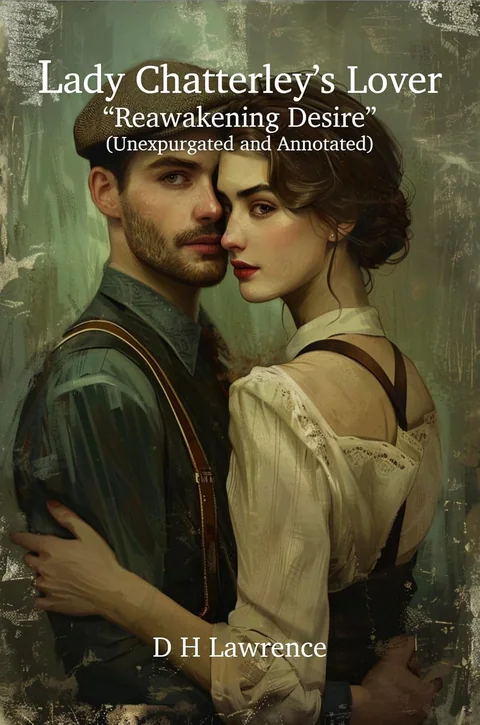
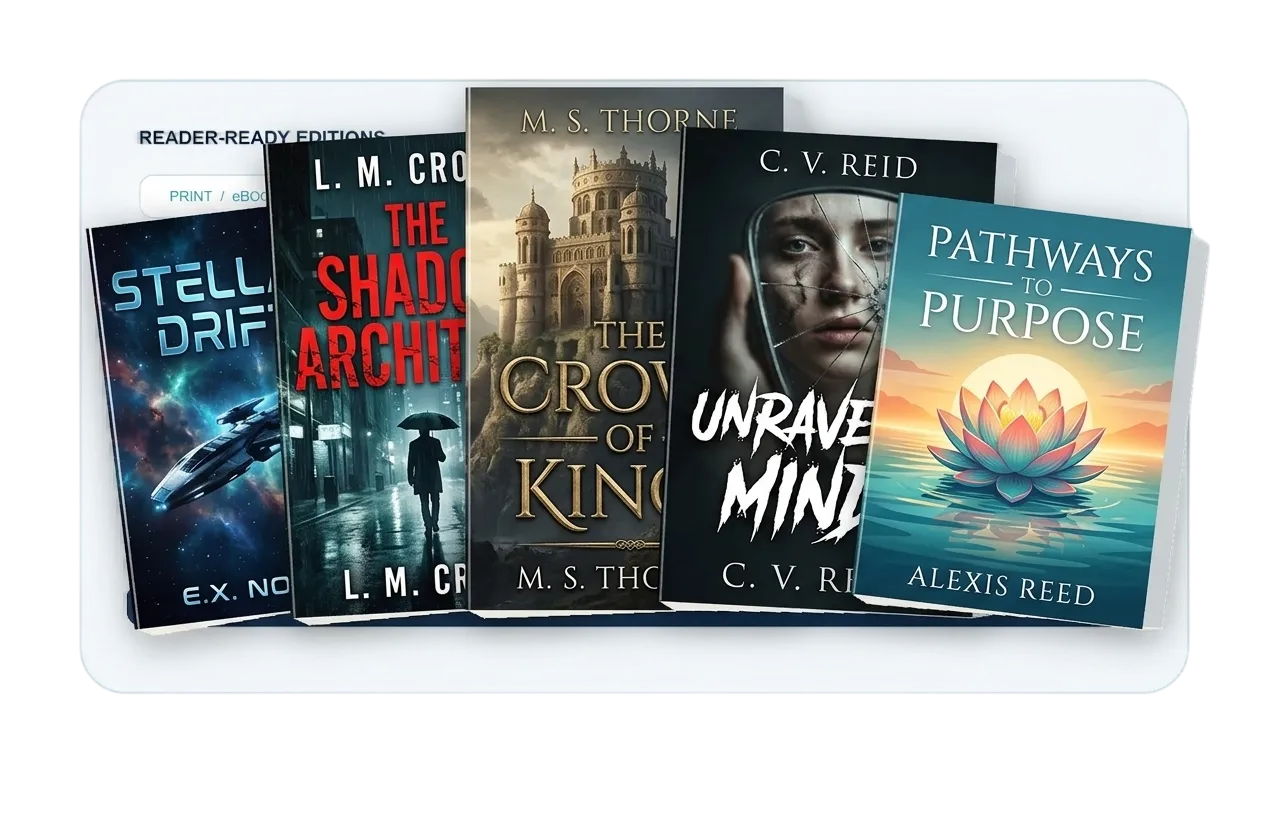
Browse the book mockups below for a sense of different genres and presentation styles. During your book illustration consultation, tell us which examples fit your vision so we can discuss an approach suited to your own book.
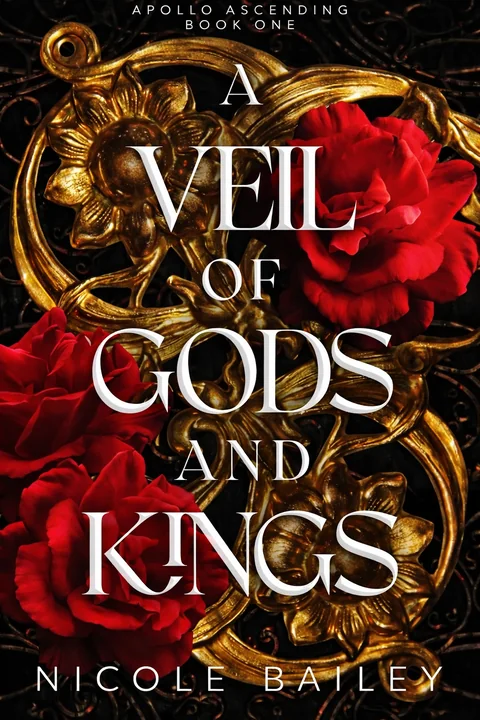
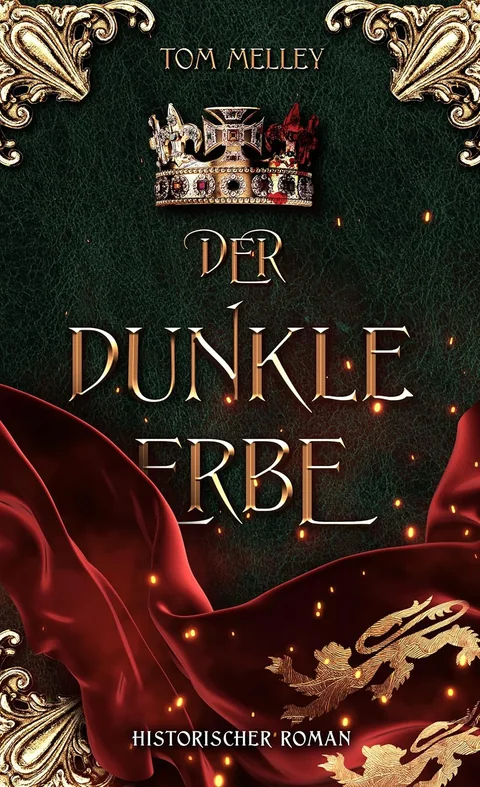
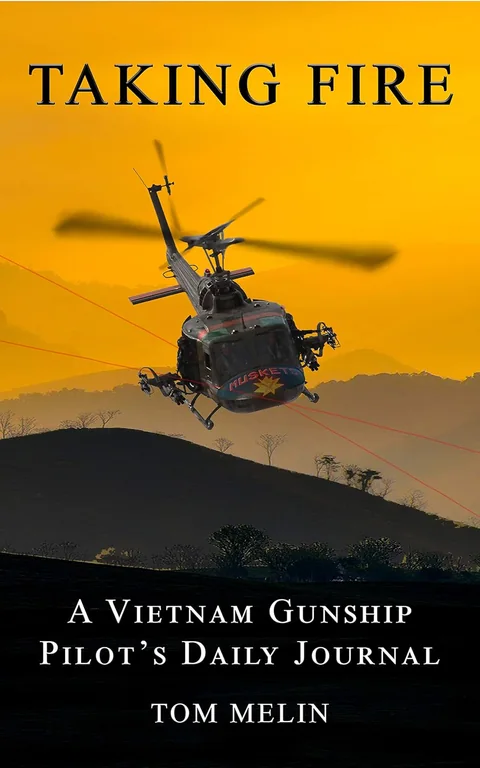
The choices made during this stage shape how readers discover, understand and experience your work.
Consistent characters help readers recognise who is in each scene.
Planned compositions leave enough space for readable text.
A coherent palette ties separate pages into one visual story.
Clear explanatory visuals help readers understand unfamiliar concepts.
Production-size artwork avoids stretching small images at the layout stage.
We work with authors across Australia by email, phone and online review. Wherever you live, you can follow each milestone and give feedback before the next stage.
Send the story or subject material, audience and visual references.
Confirm illustration count, sizes, style, rights and review milestones.
Review character studies or a sample illustration to settle the direction.
Check scene compositions, details and text space before final rendering.
Provide feedback within the agreed rounds on colour and final details.
Approve the artwork and receive the files prepared for your agreed book and promotional uses.
Approved characters, compositions and colour choices become artwork prepared for the dimensions and reading experience of your book.
Share your manuscript, the number of images you need and your style references. We will discuss a visual direction and quote.
Speak with our team about your goals, your timeline and the next step for your book.
Tell us about your project and the support you need.